Home ›
Ong Thong Hoeung, public statement. For a solution to Cambodia's political crisis
Phnom Penh, 26 may 2005
"There can be no democracy without a functioning opposition and political disputes must not be solved through judicial means": This has been the message that many friends of Cambodia all over the world have been sending to the Cambodian government over the last four months, more precisely since the controversial lifting on 3 February 2005 of the parliamentary immunity of opposition leader Sam Rainsy and two of his colleagues, Chea Poch and Cheam Channy. Cheam Channy was arrested on the same day while the two other parliamentarians had to flee the country.
Among the friends of Cambodia or related institutions who/which have made their messages public, there were, by chronological order: the US State Department, prominent American senators such as John McCain and Mitch McConnell, the Australian Senate (10 February Resolution), the European Parliament (10 March Resolution), New Zealand's Minister of Foreign Affairs, the Inter-Parliamentary Union (3-7 April Decision by the Committee on the Human Rights of Parliamentarians), the Special Representative of the UN Secretary-General for Human Rights in Cambodia (19 April statement in Geneva), the German Parliament/Bundestag (two Resolutions in April), several Members of Parliament in Europe, North America, Australia and Japan.
The ongoing political crisis in Cambodia actually started in the wake of the last legislative elections in July 2003 and is well summarized by Peter Leuprecht, the Special Representative of the UN Secretary-General for Human Rights in Cambodia, in his 19 April statement: < After a political deadlock that lasted almost a year, a new coalition government was established last July [2004]. The conditions under which this was done are, to say the least, doubtful from the constitutional and legal point of view and do not demonstrate a willingness of those in power to abide by the rule of law. Measures taken since against the opposition violate fundamental principles of pluralist democracy. >
On the advice of several friends of Cambodia, opposition leader Sam Rainsy on 17 May 2005 wrote a conciliatory letter to Prince Norodom Ranariddh, the President of the National Assembly, asking to meet him "any time, anywhere", at his convenience, "in order to restore the dialogue" between the government and the parliamentary opposition, so as to "reach a compromise" and achieve a "normalization of the situation" that would allow a "democratic functioning of State institutions." Concerning the judicial proceedings initiated by Prince Ranariddh and Prime Minister Hun Sen, which were the pretext for the lifting of the parliamentary immunity of the three opposition lawmakers, Sam Rainsy suggested in his letter: "Either the court summons and/or prosecute the three parliamentarians, or - if there are in fact no grounds for prosecution - the parliamentary immunity should be re-established for the concerned parliamentarians." Actually, the Cambodian court - which is largely perceived as taking orders from the government - has practically done nothing since the theatrical removal of immunity on 3 February 2005 following an allegedly urgent request by the same court.
Prince Ranariddh uncompromisingly and inconsistently responded to Sam Rainsy through the press. The Cambodia Daily on 20 May 2005 quoted the Prince as saying: "If he [Sam Rainsy] wants to meet me, he must come to Cambodia, but first he must go meet the court." The Prince, who has filed a defamation lawsuit against Sam Rainsy, apparently counts on the Hun Sen government and Cambodia's subservient court to politically get rid of Sam Rainsy. But he seems to forget that, when he was at odds with Prime Minister Hun Sen in 1997, the same court sentenced him to 35 years in prison on politically based charges. The Prince escaped jail thanks only to the intervention of international friends of Cambodia and a pardon from King Norodom Sihanouk.
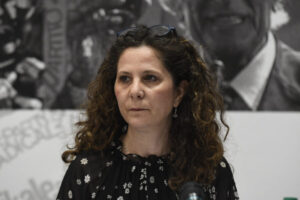
SRP Members of Parliament
"There can be no democracy without a functioning opposition and political disputes must not be solved through judicial means": This has been the message that many friends of Cambodia all over the world have been sending to the Cambodian government over the last four months, more precisely since the controversial lifting on 3 February 2005 of the parliamentary immunity of opposition leader Sam Rainsy and two of his colleagues, Chea Poch and Cheam Channy. Cheam Channy was arrested on the same day while the two other parliamentarians had to flee the country.
Among the friends of Cambodia or related institutions who/which have made their messages public, there were, by chronological order: the US State Department, prominent American senators such as John McCain and Mitch McConnell, the Australian Senate (10 February Resolution), the European Parliament (10 March Resolution), New Zealand's Minister of Foreign Affairs, the Inter-Parliamentary Union (3-7 April Decision by the Committee on the Human Rights of Parliamentarians), the Special Representative of the UN Secretary-General for Human Rights in Cambodia (19 April statement in Geneva), the German Parliament/Bundestag (two Resolutions in April), several Members of Parliament in Europe, North America, Australia and Japan.
The ongoing political crisis in Cambodia actually started in the wake of the last legislative elections in July 2003 and is well summarized by Peter Leuprecht, the Special Representative of the UN Secretary-General for Human Rights in Cambodia, in his 19 April statement: < After a political deadlock that lasted almost a year, a new coalition government was established last July [2004]. The conditions under which this was done are, to say the least, doubtful from the constitutional and legal point of view and do not demonstrate a willingness of those in power to abide by the rule of law. Measures taken since against the opposition violate fundamental principles of pluralist democracy. >
On the advice of several friends of Cambodia, opposition leader Sam Rainsy on 17 May 2005 wrote a conciliatory letter to Prince Norodom Ranariddh, the President of the National Assembly, asking to meet him "any time, anywhere", at his convenience, "in order to restore the dialogue" between the government and the parliamentary opposition, so as to "reach a compromise" and achieve a "normalization of the situation" that would allow a "democratic functioning of State institutions." Concerning the judicial proceedings initiated by Prince Ranariddh and Prime Minister Hun Sen, which were the pretext for the lifting of the parliamentary immunity of the three opposition lawmakers, Sam Rainsy suggested in his letter: "Either the court summons and/or prosecute the three parliamentarians, or - if there are in fact no grounds for prosecution - the parliamentary immunity should be re-established for the concerned parliamentarians." Actually, the Cambodian court - which is largely perceived as taking orders from the government - has practically done nothing since the theatrical removal of immunity on 3 February 2005 following an allegedly urgent request by the same court.
Prince Ranariddh uncompromisingly and inconsistently responded to Sam Rainsy through the press. The Cambodia Daily on 20 May 2005 quoted the Prince as saying: "If he [Sam Rainsy] wants to meet me, he must come to Cambodia, but first he must go meet the court." The Prince, who has filed a defamation lawsuit against Sam Rainsy, apparently counts on the Hun Sen government and Cambodia's subservient court to politically get rid of Sam Rainsy. But he seems to forget that, when he was at odds with Prime Minister Hun Sen in 1997, the same court sentenced him to 35 years in prison on politically based charges. The Prince escaped jail thanks only to the intervention of international friends of Cambodia and a pardon from King Norodom Sihanouk.
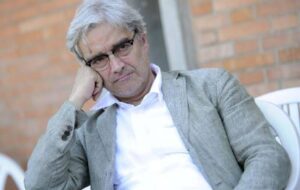
SRP Members of Parliament
Gli iscritti e contribuenti 2012
| FRANCESCA T. MILANO | 200 euro |
| EUFEMIA T. MUGGIO' | 200 euro |
| AMBROGIO S. CASSINA DE' PECCHI | 200 euro |
| PIER PAOLO S. FROSINONE | 200 euro |
| DAVIDE R. MILANO | 200 euro |
| LORENA P. MONZA | 200 euro |
| DAVIDE L. MANTOVA | 200 euro |
| PAOLO G. ROMA | 200 euro |
| MARTA G. ROMA | 200 euro |
| ANNA MARIA D. ROMA | 200 euro |
| Total SUM | 397.572 euro |
Online Donations
Gruppi radicali nel mondo
Comunicati stampa
Rassegna stampa
Documenti
10/10/2010
Cambodia
Appeal from parliamentarians for the reactivation of the Paris agreements on Cambodia
05/30/2010
Burma Cambodia Italy Laos Montagnard Vietnam
General Council: Approved Resolution on South East Asia
10/11/2007
Globalise Democracy STUDY DOCUMENTS
Democracy Alert: Democracy Institutions call on International Bar Association (IBA) to address Human Rights issues in Singapore